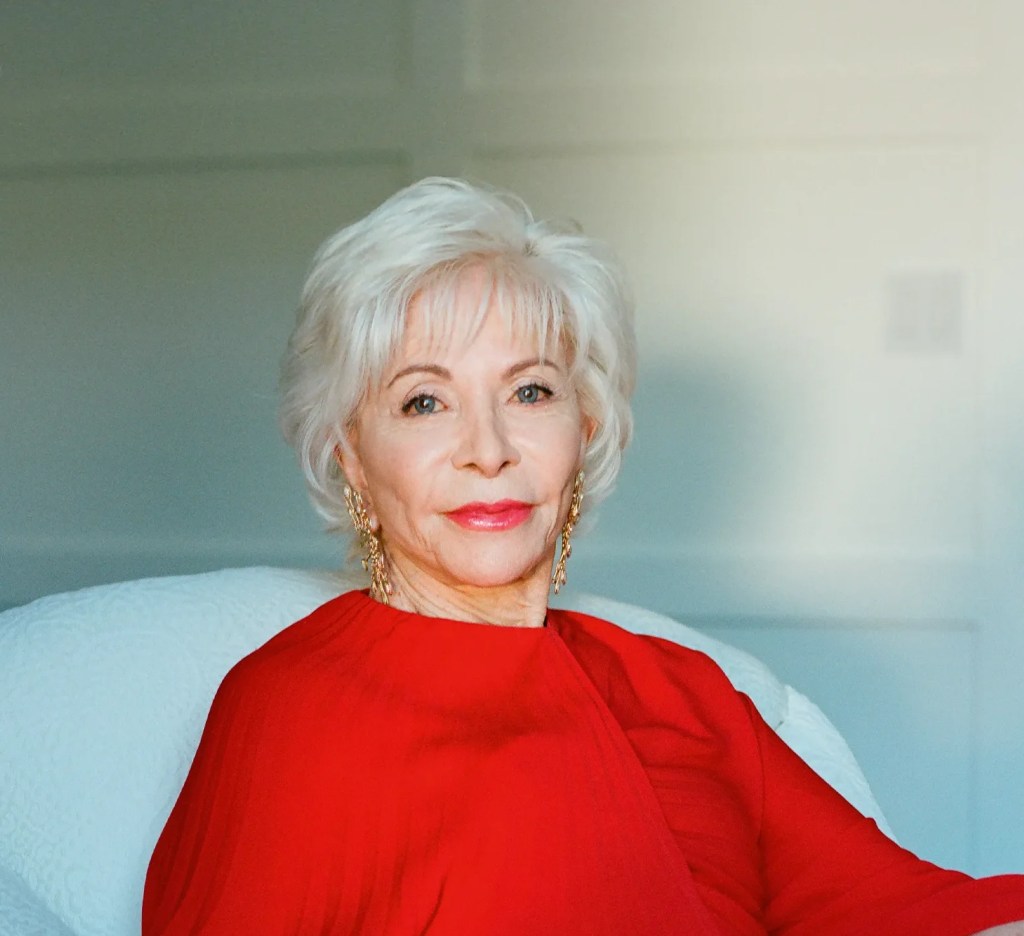
There are writers you read, and writers you live inside for a while. Isabel Allende tends to be the second kind.
What she does that few writers do as naturally is make history feel like memory. Not the kind you read in textbooks, the kind that belongs to a specific woman, in a specific kitchen, in a specific country coming apart at the seams. Her novels move through coups, dictatorships, wars, and displacement, but the entry point is always intimate. A family. A love. A loss. The large events of Latin American history arrive the way they actually arrive for most people: through what happens to the people you love, not through what gets recorded.
Her historical fiction works because she never lets history be the point. It is always the backdrop against which her characters are trying to survive, remember, and pass something forward. Her women in particular carry this. They are the keepers of stories, the ones who write things down so they won’t be lost, the ones who endure long after the men around them have been taken by politics or war or their own recklessness.
Violeta is a perfect place to start if you haven’t read her, and a perfect place to return to if you have. It spans a hundred years of one woman’s life and somehow manages to hold a whole century of Latin American history inside a single voice without ever feeling like a history lesson. Violeta herself is stubborn, loving, flawed, and completely alive. The novel is written as a letter from an old woman to someone she loves, which gives it an intimacy that lingers long after you finish it. It is the kind of book that makes you think about the women in your own family, the ones who lived through things they never fully spoke about.
The House of the Spirits remains her most celebrated work, and for good reason. It follows four generations of a Chilean family and does what only the best multigenerational novels do: it makes you feel the weight of what gets inherited, the way trauma and love and silence pass from one generation to the next without anyone quite meaning them to. And Paula, her memoir, is in a different category entirely. It is not historical fiction but it contains the same quality her novels have: the sense that she is writing against forgetting, that the act of putting something into words is itself a form of keeping it alive.
What stays with me about Allende is the consistency of that impulse across everything she writes. Memory as resistance. The past that never quite releases its hold. Women who survive not because survival is easy but because they simply refuse the alternative. She has been writing for over forty years and that thread has never broken.

